
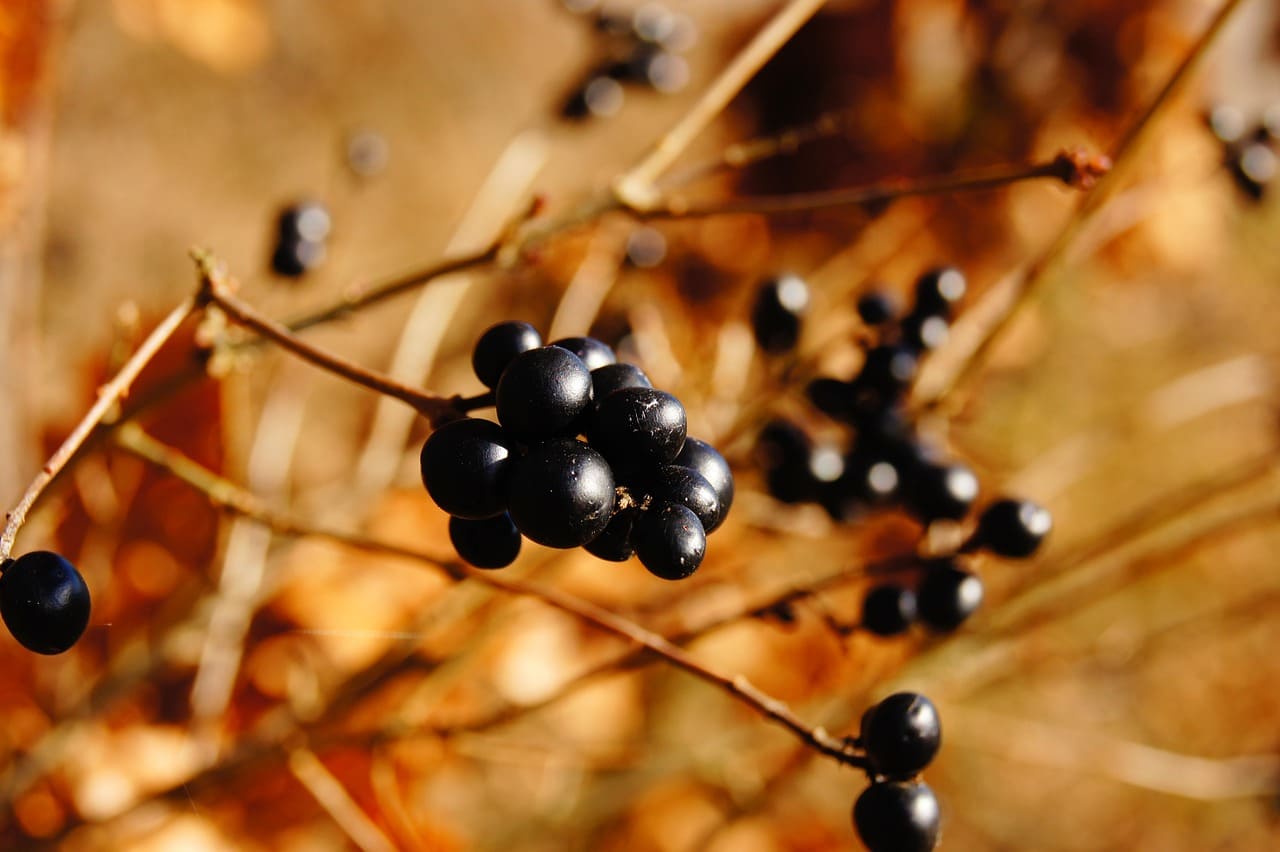
When it comes to superfoods, few have captured the world’s attention quite like the acai berry. Packed with antioxidants and bursting with deep, rich color, acai has become a staple in smoothie bowls, juices, and health-conscious kitchens everywhere. But behind the tiny purple berry lies an equally fascinating plant — the acai tree, also known as the acai palm. This graceful tropical tree not only produces one of nature’s most nutrient-dense fruits but also plays a vital role in the ecosystems of the Amazon rainforest.
Native to South America, the acai palm tree (Euterpe oleracea) thrives in the floodplains of Brazil and surrounding regions. Unlike traditional fruit trees, the acai isn’t a single-trunk tree but a cluster-forming palm that can grow up to 80 feet tall. Each slender trunk is topped with a crown of long, feathery fronds that sway gently in the tropical breeze. From these fronds hang delicate strands of acai berries — small, dark purple fruits that resemble grapes and grow in dense bunches.
The acai palm plant has long been a source of life and livelihood for the people of the Amazon. For centuries, local communities have harvested its fruit, heart (known as “hearts of palm”), and even its leaves for food, building material, and traditional remedies. The acai berry, however, has become the palm’s most famous contribution. Often referred to as the “Amazonian gold,” acai berries are rich in antioxidants, omega fatty acids, and fiber, offering both health benefits and delicious flavor.
The process of harvesting acai is a labor of love. Skilled harvesters climb the tall, thin trunks of the acai palm tree, often barefoot and using only a simple strap for support. Once at the top, they cut down the heavy clusters of berries, which are then soaked, pulped, and processed into the dark, creamy puree that has made its way into global markets. Because the berries spoil quickly after harvesting, they are rarely eaten fresh outside their native regions — instead, they’re flash-frozen or powdered for export.
In their natural environment, acai palms are essential to rainforest health. They grow abundantly along rivers and wetlands, helping prevent soil erosion and providing shade for smaller plants. Their fruits are also an important food source for wildlife, including birds and monkeys, which spread the seeds and encourage new growth. In this way, the acai palm is a keystone species — sustaining both the forest and the communities that depend on it.
For gardeners and plant enthusiasts outside the tropics, growing an acai palm plant can be challenging but not impossible. These palms require warm temperatures, high humidity, and consistent moisture — conditions similar to their native Amazon habitat. However, in the right environment (such as a greenhouse or conservatory), they can make stunning ornamental plants. Their graceful fronds add a lush, tropical feel to any space, even if you never harvest the berries.
Interestingly, while the acai berry tree is a tropical species, it shares a surprising kinship of purpose with more temperate fruit trees like the pear tree. Both produce fruit that reflects their environment — the acai’s rich, earthy flavor born from the humid rainforest, and the pear’s crisp sweetness nurtured in cooler climates. Each tree tells the story of its home, from the nutrient-rich soil to the rhythms of its growing season. Gardeners who appreciate the soft blossoms and elegant fruit of a pear tree might find similar wonder in the rhythmic, towering beauty of the acai palm.
Beyond its ecological and nutritional value, the acai palm also contributes to sustainable agriculture. Many communities in the Amazon now grow acai palms as part of agroforestry systems, combining them with other crops to promote biodiversity and economic stability. This sustainable approach ensures that the acai boom benefits both people and planet — a model that gardeners and farmers around the world can learn from.
The global fascination with acai has brought this remarkable tree from the depths of the rainforest to the shelves of supermarkets worldwide. Yet, behind every acai bowl and energy smoothie lies a story of resilience, balance, and nature’s generosity. The acai tree stands tall as a symbol of tropical vitality — a reminder that the world’s most powerful foods often come from the most delicate ecosystems.
Whether you admire the acai palm for its graceful form, its ecological importance, or the nourishing fruit it provides, it’s clear that this tree embodies the beauty of coexistence. Just as the pear tree graces orchards with elegance and sweetness, the acai tree enriches the rainforest with abundance and vitality. Together, they remind us that from the tropics to the temperate zones, the earth’s trees are endlessly giving — sustaining life, beauty, and the simple pleasure of fruit.