
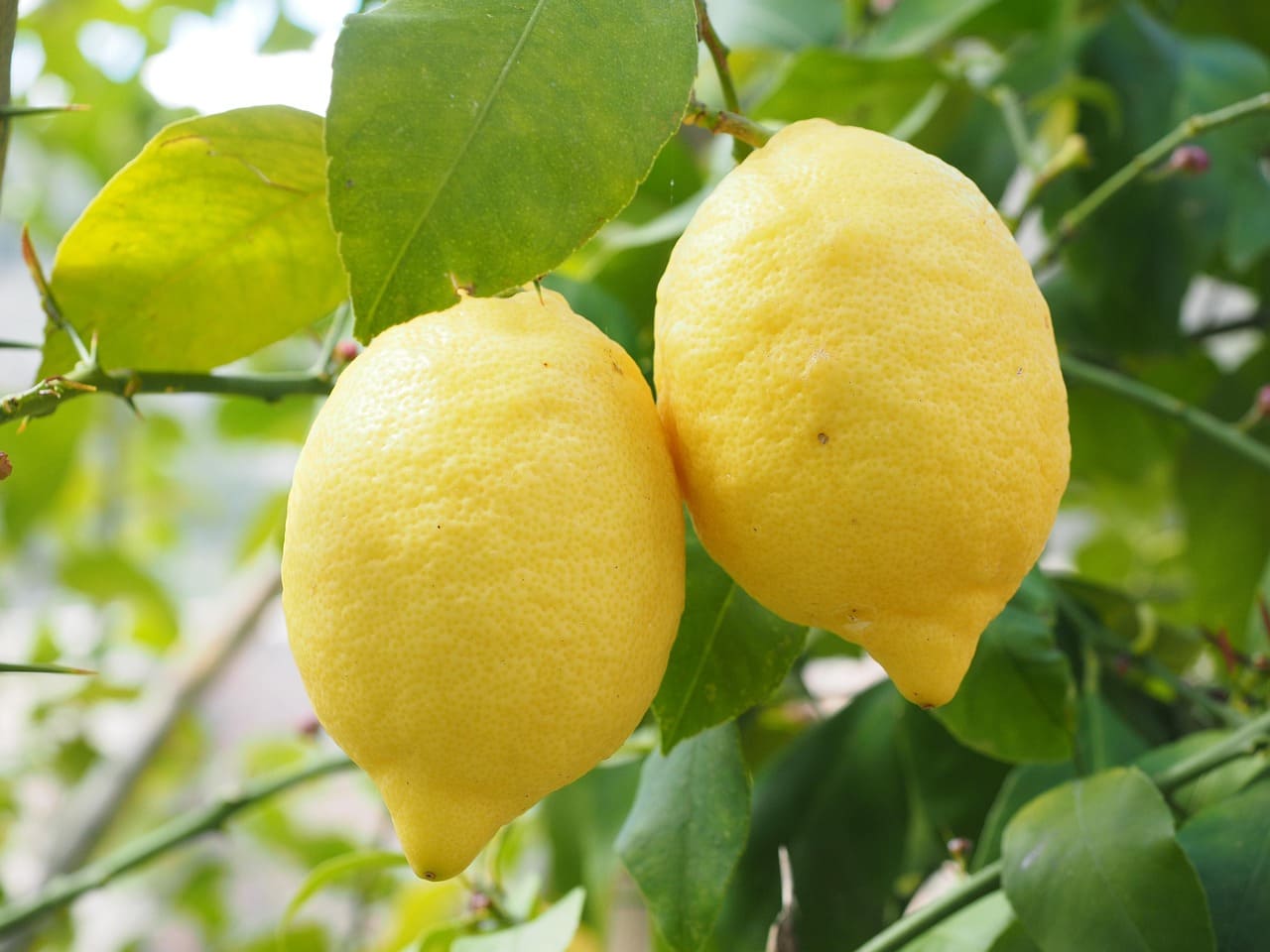
Few plants bring such instant joy and brightness to a garden or home as the lemon tree. With its glossy green leaves, fragrant blossoms, and radiant yellow fruit, the lemon tree has become a universal symbol of freshness and vitality. Beyond its beauty, this cheerful citrus tree offers a delightful harvest that adds zest to recipes, fragrance to the air, and charm to any space — whether planted outdoors in a sunny garden or grown as an indoor lemon tree by a sunny window.
The lemon tree (Citrus limon) traces its origins back to Asia, where it likely emerged as a natural hybrid between citron and sour orange. Over time, it traveled through trade routes to the Mediterranean, and from there to the Americas, spreading sunshine wherever it took root. Today, it’s a beloved staple in home gardens around the world, especially in warm, temperate climates where its fruit thrives under the sun.
One of the most enchanting aspects of the lemon tree is its versatility. It can be cultivated outdoors in full sun or indoors in containers, where its compact size and fragrant flowers make it an excellent decorative plant. The sight of ripening lemons against deep green leaves brings warmth to any setting. For those living in cooler regions, the indoor lemon tree offers a way to enjoy this beauty year-round. With proper care — plenty of sunlight, well-drained soil, and consistent watering — even a small potted lemon tree can produce bright fruit and fill a room with its uplifting scent.
Among the many lemon varieties, the Meyer lemon tree stands out as a favorite among home gardeners and chefs alike. The Meyers lemon is a hybrid between a traditional lemon and a mandarin orange, resulting in fruit that is sweeter, less acidic, and wonderfully aromatic. Its thin, deep yellow skin and juicy interior make it perfect for both savory and sweet dishes — from salad dressings and marinades to cakes and cocktails. A glass of homemade lemonade made from Meyer lemons is a taste of sunshine in liquid form, refreshing and slightly floral.
It’s easy to see why the lemonade tree, as it’s affectionately called by some, has become a symbol of refreshment and positivity. While the term “lemonade tree” may be a playful nickname rather than a botanical species, it captures the essence of what lemons represent — cheerfulness, zest, and rejuvenation. Whether you’re squeezing lemons for lemonade on a hot summer day or simply admiring their bright color on the branch, the lemon tree embodies joy in its purest form.
Beyond its fruit, another plant that carries the lemon name — though not technically a citrus — is the lemon cypress plant (Cupressus macrocarpa ‘Goldcrest’). With its feathery chartreuse foliage and citrusy scent, the lemon cypress adds ornamental flair to patios, entryways, and indoor spaces. It’s often paired with lemon trees for a cohesive, sunny aesthetic that brightens gardens and interiors alike. The combination of a potted Meyer lemon tree and a lemon cypress plant creates a harmonious display of greenery and gold — a visual echo of the Mediterranean spirit.
The lemon tree also plays a vital role in culinary traditions across the world. Its juice enhances everything from seafood and salads to pastries and beverages, while the zest adds a punch of aroma to countless recipes. Even the leaves of some lemon varieties are used to infuse subtle flavor into teas and marinades. The fruit’s versatility mirrors the tree’s adaptability — thriving in different climates, serving multiple purposes, and always radiating freshness.
In tropical gardens, lemon trees often grow alongside another iconic fruiting plant — the banana tree. While the two are very different in appearance and structure, they share a similar role in bringing abundance and warmth to their surroundings. The large, lush leaves of the banana tree complement the more compact and glossy foliage of the lemon, creating a vivid contrast of textures and shades of green. Together, they form a picturesque partnership that symbolizes tropical harmony — one offering tart brightness, the other creamy sweetness.
Growing a lemon tree, whether in a backyard orchard or inside a cozy kitchen, is one of the most rewarding experiences for any gardener. Watching the first blossoms turn into small green fruit and later ripen into golden lemons is deeply satisfying. It reminds us of nature’s simple miracles — the transformation of sunlight, water, and care into something vibrant and nourishing.
In a world that can sometimes feel rushed, tending to a lemon tree offers a moment of calm. The act of watering, pruning, and watching it grow encourages mindfulness and connection with nature. And when you finally harvest that first lemon, slice it open, and savor its tangy fragrance, you taste the very essence of sunshine itself.
From the Meyer lemon tree in a sunny courtyard to a potted indoor lemon tree brightening a kitchen, this timeless plant continues to symbolize freshness, resilience, and joy. Paired with the graceful banana tree in tropical gardens, it’s a reminder that the simplest plants often bring the greatest pleasures — one lemon, one smile, and one moment of pure brightness at a time.