
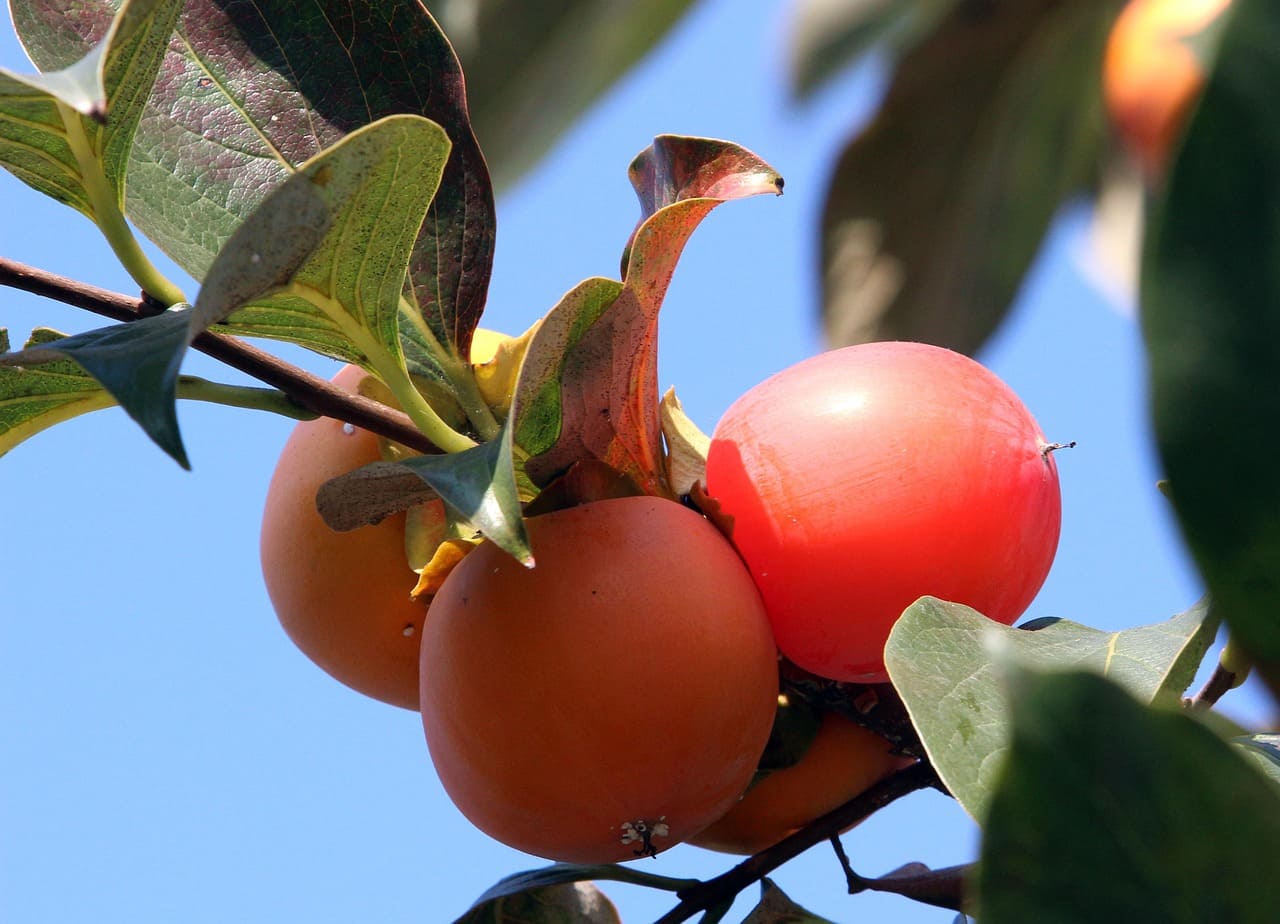
When autumn arrives and most fruit trees begin to rest for the season, the persimmon tree bursts into brilliance. Its branches, often bare of leaves by late fall, hang heavy with glowing orange fruit that look like ornaments against a crisp blue sky. The persimmon fruit, both beautiful and delicious, has been celebrated for centuries across Asia, Europe, and the Americas. From the firm, sweet Fuyu persimmon to the rich, custard-like American persimmon, this tree offers more than just flavor — it embodies the quiet beauty of patience and seasonal change.
Persimmon trees are hardy, elegant, and surprisingly easy to grow. They thrive in a variety of climates, from the warm, humid regions of the South to the cooler zones of the North. The trees themselves are graceful, with glossy green leaves that turn a spectacular golden-red in autumn. And when the leaves drop, the brilliant orange fruit remains, giving the tree a magical, lantern-like appearance that makes it a standout in any garden or orchard.
The most widely recognized type in home gardens today is the Fuyu persimmon tree. Native to Asia, this non-astringent variety produces firm, squat fruits that can be eaten fresh like an apple — no waiting, no softening required. Fuyu persimmons are prized for their mild, honey-sweet flavor and crisp texture. They’re delicious sliced into salads, baked into breads, or simply enjoyed on their own. Their versatility and reliability make them a favorite among gardeners and chefs alike.
In contrast, the American persimmon has a long history in the United States. Native to the eastern and central regions, it has been cherished for generations, especially by Indigenous peoples who used the sweet pulp for puddings, breads, and preserves. Unlike the Fuyu, the American persimmon must ripen fully — almost to the point of softness — before it reaches its full sweetness. Before that, the fruit contains high levels of tannins, which make it mouth-puckeringly astringent. But once ripe, its flavor is rich, deep, and almost caramel-like, making the wait worthwhile.
Planting a Fuyu persimmon tree or an American persimmon in your garden is a rewarding experience for any fruit lover. Both varieties are relatively low-maintenance and adaptable to different soil types. They prefer full sun and good drainage, but once established, they’re quite drought-tolerant. In spring, the trees display small, bell-shaped flowers that attract bees and pollinators. By late summer to fall, the fruit begins to mature, turning from pale green to deep orange, signaling harvest time.
Another fascinating aspect of the persimmon is its connection to growth and renewal — both in nature and folklore. Gardeners who have saved and planted the seeds of persimmon often talk about the anticipation of seeing new trees sprout from those tiny beginnings. In rural traditions, some even believe the shape found inside a persimmon seed can predict winter weather — a spoon shape for heavy snow, a fork for mild conditions, and a knife for icy winds. Whether or not you believe in such lore, there’s something timeless about watching life grow from a seed into a full, fruiting tree.
Persimmon trees also pair beautifully with other tropical and subtropical fruit trees in the garden. For example, the mango tree — with its broad, evergreen leaves and sweet golden fruit — complements the seasonal rhythm of the persimmon. While the mango thrives in warm summer months, the persimmon takes center stage in the cool days of fall, ensuring your garden offers fruit and beauty across the seasons. Together, they create a striking visual balance: the lush green abundance of mango trees followed by the fiery autumn glow of persimmon branches.
Harvesting and enjoying persimmons is a true pleasure. Firm Fuyus can be eaten fresh, peeled, or sliced with a bit of cheese or honey. Soft, ripe American persimmons are ideal for baking — they lend a natural sweetness and moist texture to cakes, cookies, and puddings. The fruit is also rich in vitamins A and C, fiber, and antioxidants, making it a healthy indulgence.
Ultimately, the persimmon tree is much more than a source of fruit — it’s a symbol of endurance, grace, and the quiet beauty of nature’s cycles. Whether you grow a Fuyu persimmon tree for its crisp sweetness, plant seeds of persimmon to nurture new life, or savor the soft richness of an American persimmon, you’re taking part in a centuries-old tradition of appreciation and patience.
As the mango tree yields its golden fruit under the summer sun, the persimmon reminds us that every season holds its own reward — and that the sweetest gifts often come just when the world begins to rest.