
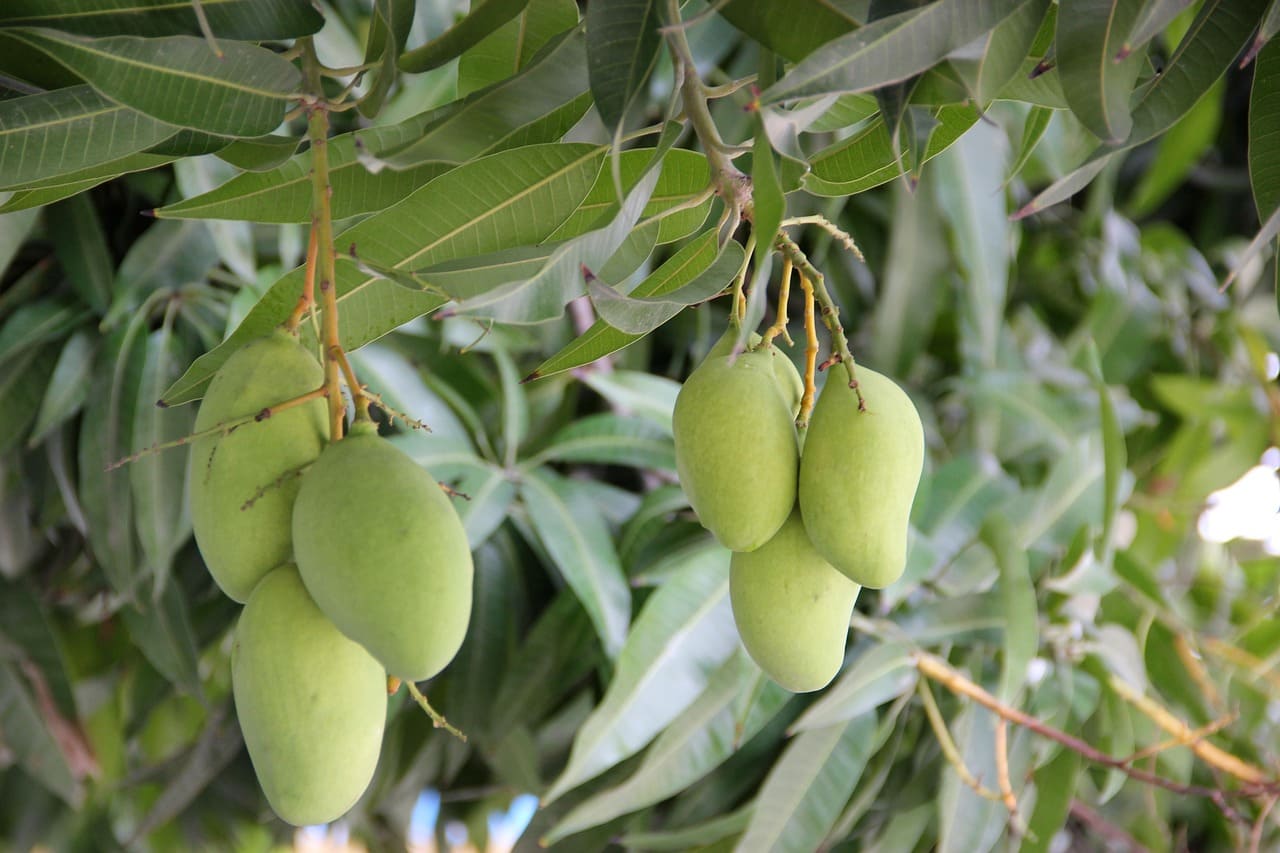
Few trees evoke the warmth and abundance of the tropics quite like the mango tree. With its broad green canopy, fragrant blossoms, and golden fruit, the mango tree has been cherished for thousands of years — not only for its beauty but also for the delicious bounty it provides. Known as the “king of fruits” in many parts of the world, the fruit mango has earned its title through its vibrant flavor, versatility, and cultural significance.
The mango tree (Mangifera indica) originated in South Asia, where it still holds deep symbolic and culinary importance. Over time, it spread across tropical and subtropical regions, finding new homes in places like Africa, the Caribbean, and the Americas. Today, mango trees grow in warm climates around the world, thriving wherever there is ample sun and gentle rainfall. These evergreen giants can live for over a century and reach heights of more than 100 feet, providing not only fruit but also shade and beauty to landscapes.
The fruit mango itself is a marvel of color and taste — ranging from golden yellow to deep red or green, depending on the mango varieties. The sweet, juicy flesh is often described as a mix of peach, pineapple, and citrus, yet unlike any other fruit. It’s no wonder the mango has inspired poets, chefs, and gardeners alike. In India, mangoes symbolize love and prosperity, while in the Caribbean and Southeast Asia, they represent the joy and generosity of nature.
Among the countless mango varieties, one stands above the rest in global reputation — the Alphonso mango. Often called the “king of mangoes,” the Alphonso is prized for its rich, buttery texture and intensely aromatic sweetness. Grown primarily in western India, it’s considered one of the finest mangoes in the world. The flavor is deep and honeyed, with just a hint of tartness, making it ideal for both eating fresh and using in desserts, smoothies, or traditional dishes. For many mango lovers, the arrival of Alphonso mango season is a true celebration.
Other notable mango varieties include Kent, Haden, Ataulfo, and Tommy Atkins, each with unique characteristics. Some are fiberless and silky, perfect for slicing or blending, while others are more robust and hold up well in chutneys and preserves. This diversity makes the mango one of the most versatile fruits — delicious in savory dishes, sweets, drinks, or simply enjoyed as nature intended.
But the magic of the mango tree extends beyond its fruit. The tree itself is a thing of beauty, with dense, glossy leaves and delicate clusters of tiny, fragrant flowers that bloom before fruiting. As the season progresses, the flowers give way to small green fruits that gradually ripen into bursts of color. The scent of mango blossoms in the warm air is one of the most delightful fragrances of the tropics — subtle, floral, and unmistakably sweet.
In addition to its aesthetic and culinary appeal, the mango tree is deeply rooted in culture and history. In many Asian traditions, its leaves are used in religious ceremonies, symbolizing purity and good fortune. The wood of older mango trees is also valued for furniture and carvings, lending another layer of utility to this remarkable plant.
Interestingly, the mango shares a connection with another exotic fruit — the mangosteen fruit. Though unrelated botanically, these two tropical delights are often mentioned together for their complementary qualities. While the mango offers golden sweetness and lush texture, the mangosteen delivers a tangy, floral flavor wrapped in a thick purple rind. In tropical regions, the two are sometimes referred to as the “queen and king” of fruits — a perfect royal pairing.
And while mango varieties fill summer markets with their sunshine hues, they also remind us how diverse fruit cultivation can be — from the rich tropical tones of mangoes to the bright red sweetness of maraschino cherries, another fruit beloved for its color and charm. Both bring beauty and flavor to desserts, drinks, and celebrations, each in its own unique way. A dessert combining fresh mango slices and maraschino cherries, for instance, perfectly captures the harmony between the tropical and the traditional.
Growing a mango tree at home is a rewarding experience for those in warm climates. It requires plenty of sunlight, regular watering, and patience — mango trees can take several years to produce fruit, but the wait is worth it. Once mature, they can yield hundreds of mangoes each season, offering an abundance of fruit for family and friends to enjoy.
Whether you savor the creamy sweetness of an Alphonso mango, experiment with different mango varieties, or simply admire the majesty of the mango tree, one thing is certain — the mango is more than just a fruit. It’s a celebration of life, warmth, and nature’s generosity.
From the lush canopies of tropical gardens to your kitchen table, the mango continues to captivate hearts around the world. And just as maraschino cherries add a pop of color to a dessert, the mango brings sunshine to every plate — a reminder that nature’s sweetest gifts often come from the tallest, most generous trees.