
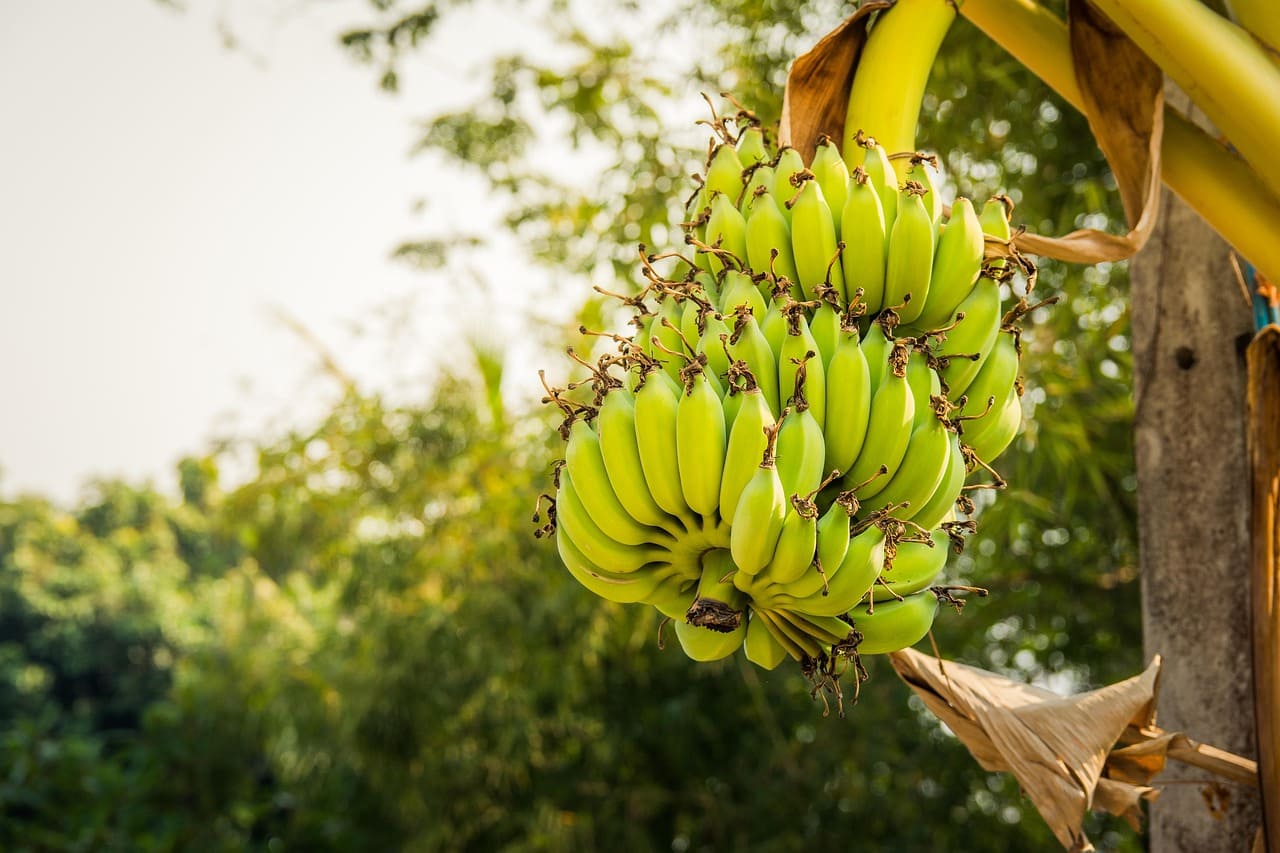
The banana tree is one of the most recognizable and beloved symbols of the tropics — tall, lush, and crowned with broad, emerald leaves that sway gently in the breeze. Whether it’s growing in a backyard garden, on a tropical hillside, or adorning a sunny patio, the banana tree offers both beauty and bounty. Its cheerful fruit, the banana, is a global favorite — a snack, a dessert ingredient, and even a staple food in many cultures. But beyond the familiar yellow fruit lies a fascinating world of diversity and wonder within the banana plant family.
Despite its name, the banana tree isn’t technically a tree at all. It’s actually a giant herb, with a “trunk” formed by tightly packed layers of leaf bases known as a pseudostem. This structure allows the banana tree plant to reach impressive heights, sometimes over 20 feet tall, while maintaining remarkable flexibility — a trait that helps it withstand tropical winds. At the top, large leaves unfurl like fans, creating a canopy that’s both graceful and practical. Beneath that canopy grows the plant’s true treasure: the hanging clusters of bananas that develop from its striking purple flower.
Bananas are among the world’s oldest cultivated crops, thought to have originated in Southeast Asia thousands of years ago. From there, they spread across the globe, becoming a dietary staple and a symbol of abundance. Today, there are hundreds of banana varieties, each with its own unique color, flavor, and texture. While the familiar yellow Cavendish banana dominates supermarket shelves, exploring other varieties can reveal an exciting world of taste and beauty.
One such variety is the Red Dacca banana, a striking fruit known for its deep reddish-purple skin and creamy, sweet flesh. The Red Dacca bananas are slightly smaller than common bananas but pack a rich flavor with hints of raspberry and vanilla. They’re as beautiful as they are delicious — a colorful accent in fruit bowls and a favorite among tropical gardeners. The vivid red hue of the fruit also makes the tree itself an ornamental delight, turning any garden into a scene from paradise.
Another fascinating variety is the Blue Java banana, often nicknamed the “ice cream banana.” These bananas have a pale, silvery-blue skin when unripe, giving the banana tree plant an otherworldly glow. When ripe, the fruit is creamy and soft, with a flavor reminiscent of vanilla ice cream. The Blue Java bananas are prized not only for their taste but also for their cold tolerance — they can withstand slightly cooler temperatures than many tropical banana types, making them a great option for gardeners outside traditional tropical zones.
Beyond these specialty varieties, the banana tree has deep cultural and ecological importance. In many parts of the world, every part of the plant is used — from the fruit to the leaves and even the stem. The leaves, large and waterproof, are often used for wrapping food or serving as natural plates. The fibers from the pseudostem are made into textiles, paper, and ropes. And of course, the fruit itself provides nourishment rich in potassium, fiber, and natural sweetness.
Growing a banana plant can be a deeply rewarding experience. It thrives in full sun, rich soil, and humid conditions. With enough warmth and water, it grows rapidly, producing new shoots or “pups” that can be replanted to create new banana clusters. The plant typically fruits once before dying back, but its offshoots continue the cycle, ensuring a steady supply of bananas year after year. In warm regions, banana trees can be planted outdoors, while in cooler climates, they make spectacular container plants that bring a touch of the tropics to patios and greenhouses.
In a well-planned garden, the banana tree pairs beautifully with other tropical species like the fig tree. Both plants share a love for warmth and sunlight, and together, they create a lush, fruitful landscape that evokes the essence of paradise. While the banana tree offers sweet, elongated fruit, the fig tree provides round, honey-flavored jewels — a delicious balance of shapes, colors, and tastes. The pairing of bananas and figs also extends to the kitchen, where their complementary flavors shine in smoothies, desserts, and fruit salads.
The banana tree’s combination of visual splendor, versatility, and nutritional value makes it one of nature’s most generous creations. Its broad leaves whisper in the wind, offering shade and serenity, while its fruits feed both the body and the spirit. Whether you’re growing Red Dacca bananas for their exotic beauty, Blue Java bananas for their creamy flavor, or simply tending a traditional banana tree plant, this remarkable plant invites you to experience the joy of tropical living.
And like the ancient fig tree — another symbol of fertility and growth — the banana tree reminds us of nature’s endless abundance. From its roots to its fruit, every part of this remarkable plant speaks of renewal, nourishment, and delight. Whether you’re standing beneath its canopy or savoring its golden fruit, the banana tree offers a simple truth: life, like the banana, is sweetest when shared.