
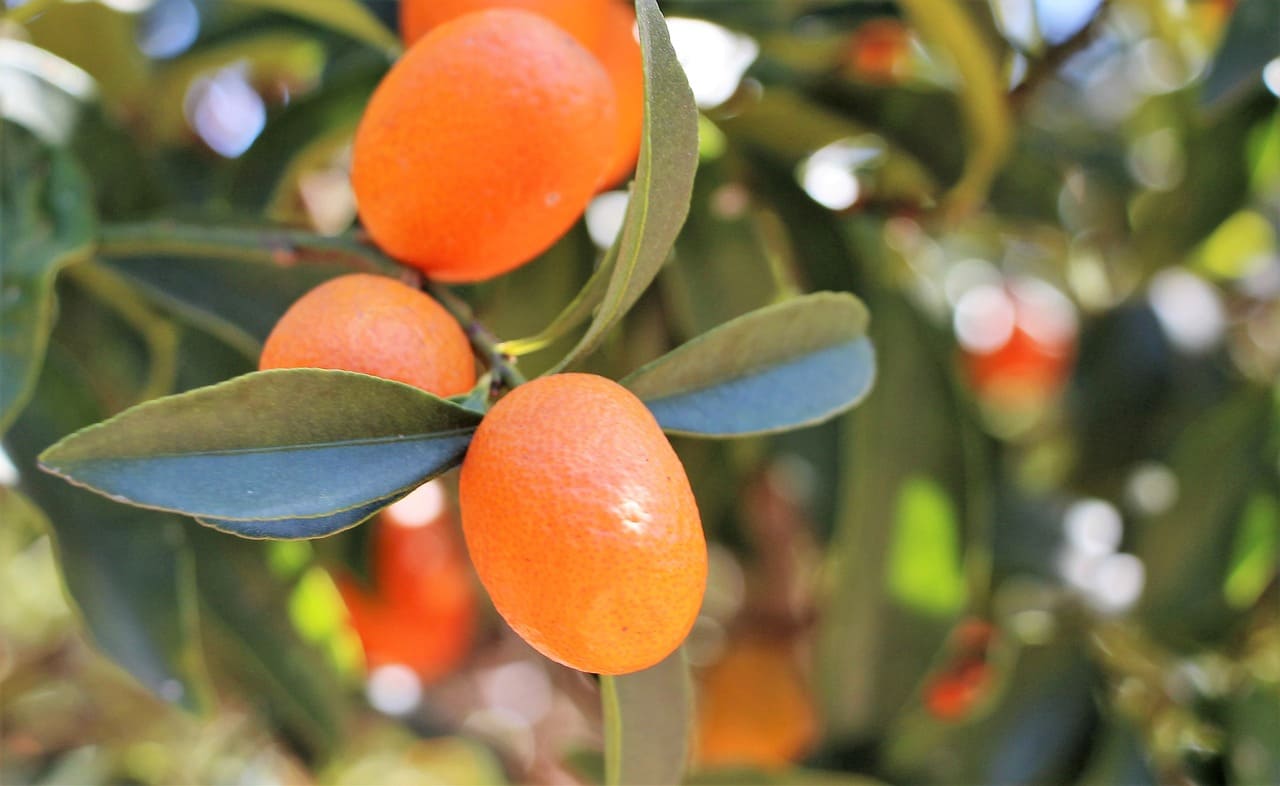
In the colorful world of citrus, few fruits are as enchanting and delightful as the kumquat. Small, oval, and bursting with tangy sweetness, this golden gem has been cherished for centuries for its unique flavor, versatility, and beauty. Whether grown in a sunny garden or displayed in a decorative pot, the kumquattree stands as a symbol of prosperity, abundance, and the joy of simple pleasures.
Unlike most citrus fruits, the kumquat fruit is meant to be eaten whole — skin and all. Its thin, edible rind carries a delicate sweetness that balances perfectly with the tart flesh inside, creating a bright, refreshing burst of flavor in every bite. The contrast of sweet and sour makes it one of the most distinctive members of the citrus family. From snacking fresh off the branch to transforming it into marmalade, candy, or cocktails, the kumquat is a true culinary treasure.
The origins of the kumquat can be traced back to southern China, where it has been cultivated for over a thousand years. Its name comes from the Cantonese “gam gwat,” meaning “golden orange,” a fitting tribute to the glowing hue of its fruit. The plant later spread to Japan and Southeast Asia before making its way to Europe and the Americas, where it quickly captured gardeners’ and chefs’ imaginations. In Spain, it is known as the kumquat espanol, a testament to how this tiny fruit has taken root across cultures and cuisines.
Among the several types of kumquats, the Nagami kumquat is the most widely grown and recognized. This variety produces small, oval fruits with smooth, glossy skin and a perfectly balanced sweet-tart taste. The Nagami kumquat is prized for its hardiness and adaptability, thriving in warm climates but also capable of withstanding light frosts better than most citrus plants. The tree itself is compact and ornamental, often used to add a splash of color to patios, gardens, and even indoor spaces.
The kumquattree is as charming as the fruit it bears. Typically standing between 6 to 10 feet tall, it features glossy, dark-green leaves and delicate white blossoms that fill the air with a soft citrus fragrance. In spring and early summer, these blossoms give way to clusters of small, glowing fruits that ripen by late autumn. A mature tree, heavy with its golden harvest, is a sight to behold — radiant, cheerful, and full of life.
One of the reasons the kumquat fruit has gained such popularity is its versatility. It can be eaten fresh, sliced into salads, or used to make vibrant preserves. When candied, it becomes a sweet treat that retains its citrusy brightness. In drinks, the kumquat’s zesty tang adds complexity to cocktails and teas. It’s also an excellent companion for savory dishes, pairing beautifully with roasted meats, seafood, and herbs. The fruit’s natural oils, found in its peel, release a rich aroma when cooked, adding depth to sauces and glazes.
Gardeners love the kumquattree not just for its fruit, but for its ornamental appeal. Its glossy leaves and clusters of orange fruit make it a natural centerpiece for patios and courtyards. In regions with mild winters, the tree thrives outdoors year-round, while in cooler areas, it can be grown in containers and moved indoors when temperatures drop. The kumquat’s resilience and beauty make it a favorite among citrus enthusiasts and decorative plant lovers alike.
Beyond its practical uses, the kumquat carries deep symbolism. In Chinese culture, it represents good fortune and happiness, often given as a gift during Lunar New Year. Its golden color and round shape are believed to attract wealth and positivity. Even in other parts of the world, the fruit’s bright color and cheerful appearance make it a natural emblem of warmth and optimism — a living burst of sunshine in the garden.
Interestingly, the kumquat shares a kinship with another ornamental fruiting plant — the strawberry tree (Arbutus unedo). Like the kumquattree, the strawberry tree produces small, brightly colored fruits that stand out against evergreen foliage. Both plants bring a pop of color and texture to gardens, and both offer edible fruits that bridge the gap between sweet and tart. The strawberry tree’s fruit, while softer and more berry-like than the kumquat, mirrors its visual charm and ability to thrive in Mediterranean-like climates. When planted together, these two trees create a stunning landscape that celebrates nature’s palette of reds, oranges, and greens.
The kumquat fruit may be tiny, but its presence is mighty. From its fragrant blossoms to its golden harvest, it’s a plant that gives generously — beauty, flavor, and joy in abundance. Whether you’re savoring a fresh Nagami kumquat, admiring the elegant leaves of a thriving kumquattree, or sampling a slice of kumquat espanol marmalade on toast, you’re tasting a piece of living history that connects gardens across continents.
And for those who love the unexpected — the balance of sweet and tart, the blend of ornamental grace and edible reward — the kumquat is a perfect reminder of nature’s artistry. Just as the strawberry tree adds warmth and charm to any landscape, the kumquat shines as a beacon of brightness — proof that good things truly do come in small, golden packages.